My mission statement:
To provide people who self-harm and their families with actionable, practical skills for overcoming and healing from this painful experience.
To end the silence, shame, and stigma around self-harm, and to educate people about why it happens.
To give people new tools for emotional coping so that self-harm becomes less prevalent.
Mark Gardett, PhD
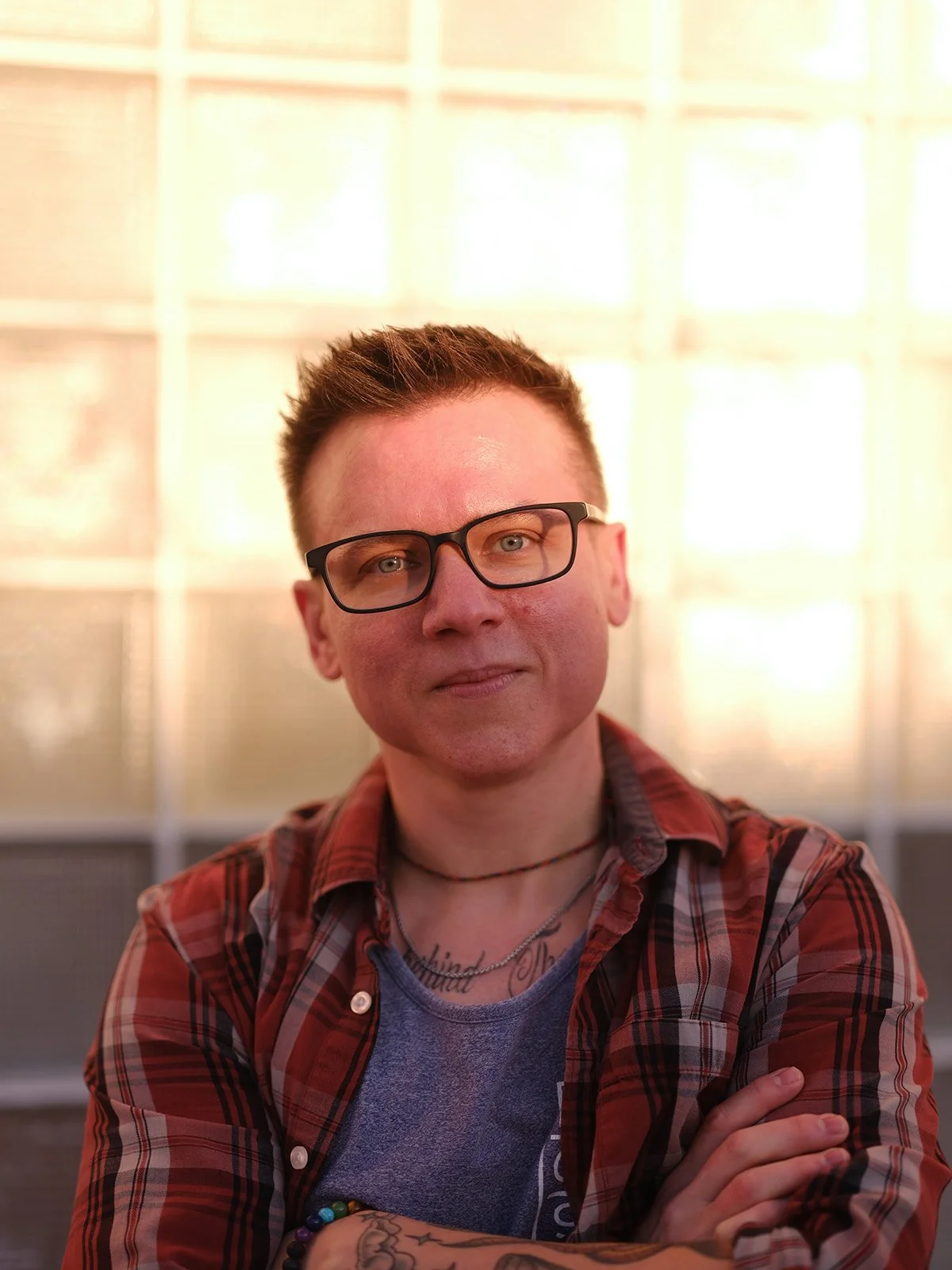
I know for a fact that no matter how long this has been part of your life, or how impossible healing feels right now, you can be well. Your life doesn’t have to be defined by self-harm.
I hit myself for the first time when I was six years old. There’s no need to go into all the reasons why I started self-harming. What’s important is that I had learned that there were emotions and expressions of myself that were not allowed, that I had to repress. As a child, I had no other resources except my own body, so I learned to use it to relieve my own suffering.
When I was 12, I attempted suicide and was placed in a locked residential facility. After that, the problem got much worse. There were more and more parts of myself that could not be expressed. They become more and more unconscious—and therefore all the more important to hold down and out of view. I have hit, cut, strangled, starved, and otherwise “punished” myself in more ways than I need to get into here.
It was only when I found a support team that understood this behavior for what it is—a learned survival mechanism for coping with unendurable emotions and experiences—that I was able to heal.
My mission is to ensure that no one else has to wait forty years to get the support they need, to hear that they are not to blame, or to finally love themselves. I know that all of that may sound impossible to you, or even like nonsense. I understand. But I also know, from the other side of this, that healing is possible.
What working with me looks like.
I am a certified coach and yoga therapist. I use a very wide variety of tools to work with people where they are, in the modalities and approaches that speak to them. These tools include yoga methods such as movement and breathwork, self-study and self-awareness practices, creative exercises, and structured action planning.
The purpose of this work together is to help you:
Understand your own triggers and better recognize when and why you self-harm
Creatively co-develop new behaviors that you can use instead, that actually work for you
Develop plans for what happens when the impulse to self-harm arises
Work through and heal the shame and guilt that come with self-harm
Advocate for yourself and have productive conversations about what you need and how others can support you.
I will support you through this healing journey, even if you experience relapses during our time together. Healing is not linear or straightforward, and I’ve been there, too.
For family members and partners, working with me includes:
Understanding the origins of self-harm
Learning how to care for your loved one, including how to have productive conversations with them about what kind of support they need
Learning how to advocate for your loved one with schools, doctors, or others, if needed
Developing self-care practices for yourself